Ultimate Slow Cooker Mongolian Beef: Tender, Savory, and Ready in 4 Hours
Why This Slow Cooker Mongolian Beef Will Revolutionize Your Dinner Routine
Imagine walking through your front door to the enticing aroma of tender beef bathed in a sweet and savory sauce, all thanks to your slow cooker. This Mongolian beef recipe delivers restaurant-quality results with virtually no effort – just set it and forget it for four hours. Perfect for busy families, meal prep enthusiasts, or anyone craving a comforting, flavorful dish without the hassle of stir-frying. In this guide, we’ll cover everything from the dish’s fascinating background to pro tips that ensure perfection every time.
What Exactly is Mongolian Beef?
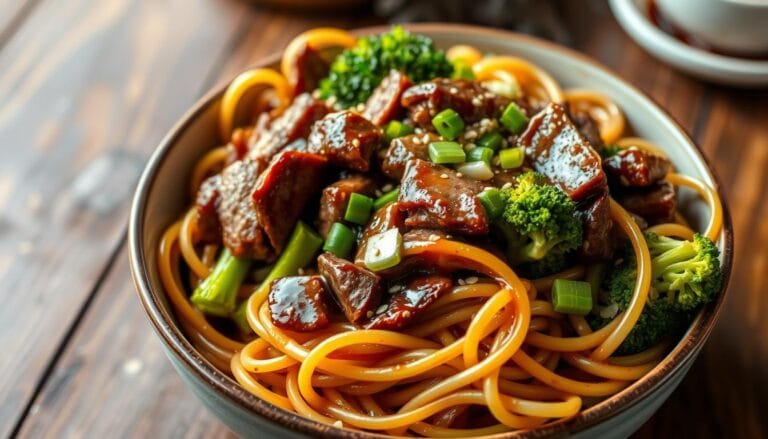
Contrary to its name, Mongolian beef is a Chinese-American creation, not a traditional Mongolian dish. It gained fame through American Chinese restaurants, notably P.F. Chang’s, where it features thinly sliced beef stir-fried with scallions in a sticky, aromatic sauce. The sauce typically combines soy sauce, brown sugar, garlic, and ginger for a balance of sweet, salty, and umami flavors. Our slow cooker version adapts this classic for hands-off cooking, allowing the beef to become unbelievably tender as it braises slowly, absorbing every ounce of flavor from the sauce.
Why the Slow Cooker is Your Best Friend for This Recipe
Slow cookers excel at transforming tougher cuts of meat into melt-in-your-mouth delicacies. For Mongolian beef, this means you can use affordable flank steak or sirloin and still achieve a texture that rivals expensive cuts. The low, consistent heat breaks down connective tissues into gelatin, resulting in juicy, fork-tender beef. Plus, the extended cooking time melds the sauce ingredients into a complex, harmonious blend that quick cooking methods can’t match. It’s the ultimate set-and-forget solution: prep in the morning, enjoy a gourmet dinner by evening.
- Tenderizes economical beef cuts effortlessly
- Deepens and enriches sauce flavor through slow infusion
- Saves time and energy – no monitoring required
- Keeps your kitchen cool compared to oven or stovetop cooking
Key Ingredients for Authentic Flavor
To master this dish, gather these simple ingredients. Each plays a crucial role in building the signature taste and texture:
- Beef: Flank steak is ideal for its beefy flavor and texture when sliced thinly against the grain. Sirloin or chuck can be substitutes.
- Soy Sauce: Provides saltiness and umami. Use a combination of regular and dark soy sauce for depth and rich color.
- Brown Sugar: Balances the soy sauce with sweetness. Adjust based on your preference.
- Garlic and Ginger: Freshly minced or grated – these aromatics are essential for the sauce’s fragrance.
- Green Onions: For garnish and a fresh, crisp contrast. Use both white and green parts.
- Sesame Seeds: Toasted sesame seeds add a nutty finish and slight crunch.
- Cornstarch: Thickens the sauce into a glossy glaze that clings to the beef.
- Beef Broth or Water: Adds moisture and richness; broth enhances the savory notes.
Detailed Step-by-Step Instructions
Step 1: Prep the Beef for Maximum Tenderness
Begin by trimming excess fat from your beef. For easiest slicing, chill the steak in the freezer for 20-30 minutes until firm. Using a sharp knife, slice the beef as thinly as possible – about 1/8-inch thick – always cutting against the grain. This technique severs muscle fibers, ensuring each bite is tender. If the beef is still tough to slice, partially freezing it helps achieve paper-thin pieces.
Step 2: Whisk Up the Signature Sauce
In a medium bowl, combine 1/2 cup soy sauce, 1 tablespoon dark soy sauce (if using), 1/4 cup packed brown sugar, 4-5 cloves minced garlic, 1 tablespoon grated ginger, and 1/2 cup beef broth or water. Whisk vigorously until the sugar dissolves completely. Taste and adjust – add more brown sugar for sweetness or soy sauce for saltiness. This sauce is the heart of the dish, so don’t skip the dark soy sauce; it adds beautiful color and complexity.
Step 3: Load the Slow Cooker
Place the sliced beef in your slow cooker. Pour the sauce over the beef, gently stirring to coat every piece evenly. Avoid overfilling the slow cooker; if using a large 6-7 quart model, this recipe fits perfectly. For smaller cookers, you may need to halve the ingredients or cook in batches.
Step 4: Slow Cook to Perfection
Cover and cook on LOW for 4 hours. Resist the urge to peek – opening the lid releases heat and extends cooking time. During this time, the beef will slowly braise in the sauce, becoming succulent and infused with flavor. The low heat prevents the beef from drying out, ensuring it stays moist and tender.
Step 5: Thicken the Sauce for a Glossy Finish
About 30 minutes before serving, prepare a slurry: mix 2 tablespoons cornstarch with 2 tablespoons cold water in a small bowl until smooth. Stir this slurry into the slow cooker. Switch the heat setting to HIGH for the final 30 minutes. This will thicken the sauce into a luscious, glossy coating that beautifully adheres to the beef. Stir occasionally to prevent sticking, especially if your slow cooker runs hot.
Step 6: Final Touches and Serving
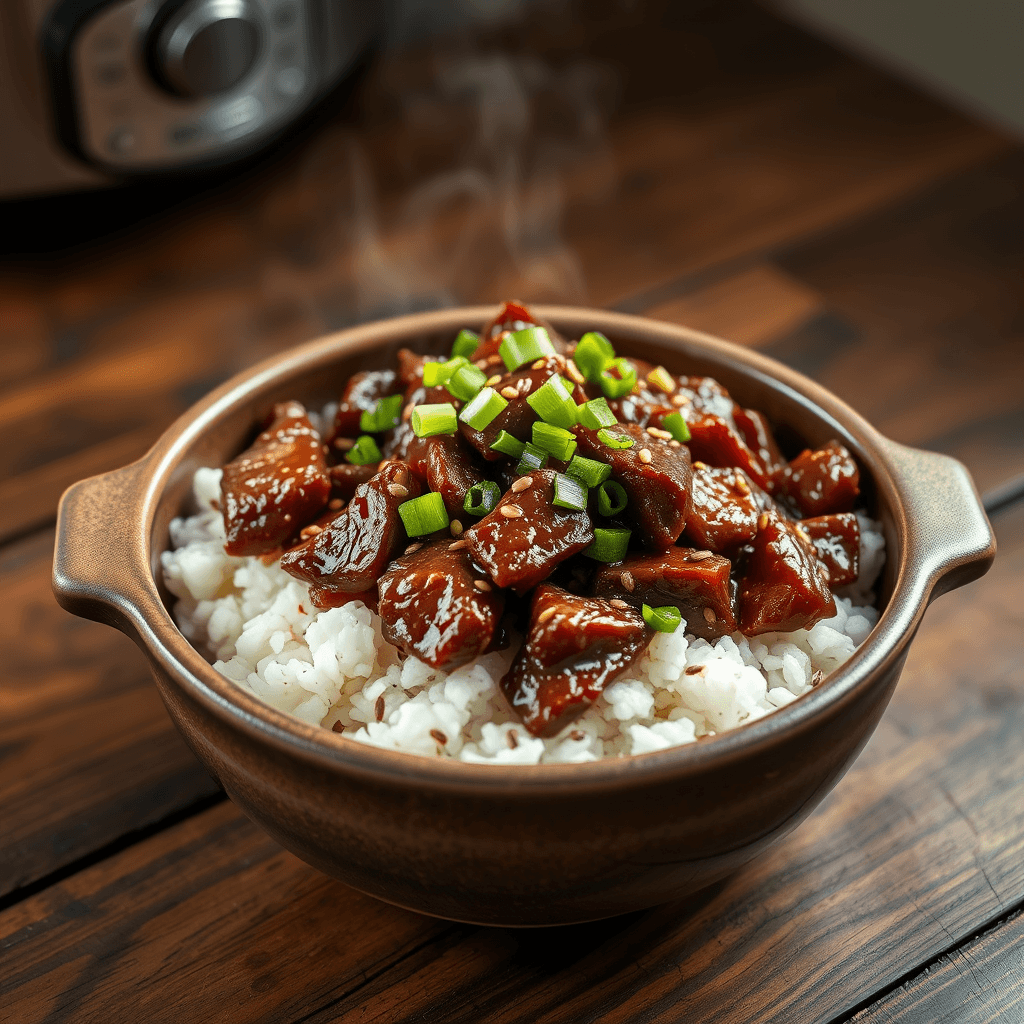
Once the sauce has thickened, taste one last time and adjust seasoning if needed. Turn off the slow cooker. Garnish generously with sliced green onions and toasted sesame seeds. Serve immediately over steamed rice, noodles, or quinoa. The sauce is so flavorful that it’s perfect for soaking into grains.
Expert Tips for Flawless Mongolian Beef Every Time
Even with a straightforward recipe, these tips will elevate your results from great to extraordinary:
- Slice Beef Thinly and Against the Grain: This is the golden rule for tenderness. Invest in a good chef’s knife and take your time.
- Don’t Extend Cooking Time Beyond 4 Hours: While slow cookers are forgiving, overcooking can make the beef mushy. Stick to the recommended time.
- Balance the Sauce Before Thickening: Taste the sauce after 4 hours of cooking. If it’s too salty, add a splash of water or a teaspoon of honey. Too sweet? Add a bit more soy sauce.
- Add Vegetables for a Complete Meal: During the last hour, toss in sliced onions, bell peppers, broccoli florets, or snap peas. They’ll cook perfectly in the savory sauce.
- Use a Portable Slow Cooker for Parties: This dish travels well. Keep it on the low setting for potlucks or buffets.
- For Extra Richness: Stir in a tablespoon of butter or a drizzle of sesame oil just before serving.
Perfect Pairings: What to Serve with Mongolian Beef
The beauty of this dish is its versatility. Here are classic and creative serving ideas:
- Steamed White or Brown Rice: The sauce pairs wonderfully with plain rice that soaks up every bit.
- Lo Mein or Rice Noodles: Toss cooked noodles with a little sauce for a heartier meal.
- Cauliflower Rice: A low-carb alternative that still absorbs the flavors beautifully.
- Quinoa or Couscous: For added protein and texture.
- Side Dishes: Steamed bok choy, a crisp cucumber salad, or roasted vegetables balance the richness.
- Garnish Ideas: Extra green onions, sesame seeds, a squeeze of lime, or a sprinkle of red pepper flakes.
Storing and Reheating Leftovers
This recipe makes excellent leftovers, though the beef may soften further upon storage. Let it cool completely, then transfer to an airtight container. Refrigerate for up to 4 days. To reheat, gently warm on the stovetop over low heat, adding a tablespoon of water or broth to loosen the sauce. Microwave on medium power in short bursts, stirring between cycles. For longer storage, freeze for up to 3 months; thaw in the fridge overnight and reheat as above. Note that the texture might be slightly softer after freezing, but the flavor remains delicious.
Nutritional Information: A Balanced Meal
While exact numbers vary based on specific ingredients and serving sizes, a typical portion (about 1 cup of beef and sauce over 1/2 cup rice) contains approximately 400-500 calories, 30-35g protein, 35-45g carbs, and 12-18g fat. It’s a protein-packed meal with moderate carbs from the sugar and rice. To make it healthier, use less brown sugar, substitute a natural sweetener like monk fruit, or serve with cauliflower rice. The dish is also gluten-free if you use tamari instead of soy sauce.
The Fascinating History Behind Mongolian Beef
Despite its name, Mongolian beef has no ties to Mongolia. It emerged in the United States in the 1960s-70s, as Chinese immigrants adapted traditional stir-fry techniques for American palates, emphasizing tender meat and sweet-savory sauces. The dish was popularized by restaurateurs like Ming Tsai and later by chains like P.F. Chang’s, where it became a staple. Its name likely references Mongolia’s reputation for hearty, meat-based cuisine, even though the recipe is distinctly American-Chinese. Our slow cooker version honors that legacy while embracing modern convenience.
Delicious Variations to Try
Once you’ve mastered the base recipe, experiment with these twists:
- Spicy Mongolian Beef: Add 1-2 teaspoons red pepper flakes to the sauce or a dash of sriracha after cooking.
- Honey Garlic Beef: Substitute half the brown sugar with honey for a floral note.
- Vegetable-Loaded: Double up on bell peppers, onions, and mushrooms for a heartier, veggie-packed meal.
- Protein Swaps: Use chicken breast or thighs, pork loin, or even tofu for a vegetarian version; adjust cooking times as needed.
- Citrus Zing: Add orange zest or a splash of orange juice to the sauce for a bright, citrusy twist.
Conclusion: Your Go-To Effortless Gourmet Meal
This slow cooker Mongolian beef recipe is a testament to how simple ingredients and smart techniques can yield extraordinary results. With just 15 minutes of prep and four hours of hands-off cooking, you’ll have a meal that’s tender, savory, and utterly satisfying. It’s perfect for weeknight dinners, meal prep lunches, or impressing guests without breaking a sweat. The combination of fall-apart beef and a rich, garlicky sauce is sure to earn a permanent spot in your recipe collection. So, gather your ingredients, set your slow cooker, and get ready to enjoy one of the easiest yet most delicious dinners you’ve ever made.
If you tried this recipe, we’d love to hear your thoughts in the comments. How did you serve it? Did you add any twists? For more slow cooker inspiration and easy recipes, subscribe to our newsletter and follow us on social media. Happy cooking!