The Ultimate Guide to Grilling Ribeye Steak with Garlic Herb Butter for Restaurant-Quality Results at Home
Introduction: Bring the Steakhouse Experience Home
There’s something undeniably satisfying about a perfectly grilled ribeye steak. The rich marbling, the juicy interior, and that irresistible sear—it’s a cut that commands respect on the grill. But what if you could achieve that restaurant-quality result in your own backyard? With the right techniques and a flavorful garlic herb butter, grilling a ribeye steak at home is not only possible; it’s easier than you think. This comprehensive guide will walk you through every step, from selecting the steak to serving it with a compound butter that elevates the flavor to new heights. Say goodbye to dry, overdone steaks and hello to succulent, mouth-watering ribeye that will have your family and friends begging for more.
Why Ribeye? The Marbling Makes the Magic
Ribeye steak is renowned for its exceptional marbling—those thin veins of fat that run through the muscle. This intramuscular fat melts during cooking, basting the steak from within and ensuring a tender, juicy bite. Unlike leaner cuts such as filet mignon, ribeye offers a beefy flavor that is unmatched. When grilled correctly, the fat renders down, creating a crispy outer edge while keeping the interior moist. For the best results, choose a ribeye that is at least 1.5 inches thick, with good marbling throughout. USDA Prime or Choice grades are ideal for home grilling, as they promise the fat content needed for that restaurant-quality finish.
Choosing the Perfect Ribeye: What to Look For
When shopping for ribeye, consider these factors to ensure you get the best steak for grilling.
- Thickness: Opt for steaks that are at least 1.5 inches thick. Thinner steaks can overcook quickly and become dry. Thick steaks allow for a good sear without cooking through too fast.
- Marbling: Look for fine white flecks of fat throughout the muscle. More marbling means more flavor and juiciness. USDA Prime has the highest marbling, followed by Choice and Select.
- Bone-In vs. Boneless: Bone-in ribeye, also called cowboy steak, has a bone that adds flavor and can protect the meat from drying out, but it’s harder to cook evenly. Boneless is easier to handle and cook uniformly.
- Freshness: The steak should have a bright red color (if not vacuum-sealed) and a clean, beefy smell. Avoid any that look dull or have a sour odor.
- Aging: Dry-aged ribeye has a concentrated, nutty flavor due to moisture loss during aging. It’s more expensive but worth it for special occasions.
Essential Equipment for Grilling Success
Before you fire up the grill, gather your tools. Having the right equipment on hand makes the process smooth and efficient.
- Grill: Whether you prefer charcoal, gas, or even a grill pan on the stove, the key is high heat. Charcoal adds a smoky flavor, but a gas grill can be just as effective if preheated properly.
- Instant-Read Thermometer: This is non-negotiable for achieving perfect doneness. Guessing by time alone often leads to overcooking. Invest in a good digital thermometer for accuracy.
- Tongs: Use sturdy tongs to flip the steak. Avoid piercing the meat with a fork, which releases precious juices.
- Grill Brush: For cleaning the grates before and after grilling to prevent sticking.
- Aluminum Foil and a Small Pan: For making and holding the garlic herb butter.
- Resting Rack or Plate: To let the steak rest after grilling, which is crucial for juiciness.
Preparing the Steak: The Foundation of Flavor
Bring to Room Temperature
Take the ribeye out of the refrigerator 30-60 minutes before grilling. Allowing it to come to room temperature ensures even cooking. A cold steak placed on a hot grill will cook unevenly, with the exterior overcooking before the interior warms up.
Season Generously with Salt and Pepper
Pat the steak dry with paper towels—moisture is the enemy of a good sear. Then, season liberally with coarse kosher salt and freshly ground black pepper. The salt helps draw out moisture initially, but as it dissolves, it penetrates the meat, enhancing flavor and tenderness. Don’t be shy; ribeye can handle a robust seasoning. For extra depth, you can add a touch of garlic powder or onion powder, but salt and pepper are the classics.
Garlic Herb Butter: The Finishing Touch
A compound butter transforms a great steak into an unforgettable one. It melts over the hot steak, creating a sauce that pools and flavors every bite. Here’s how to make it:
- Ingredients: 1/2 cup (1 stick) unsalted butter, softened; 3-4 garlic cloves, minced; 2 tablespoons fresh parsley, chopped; 1 tablespoon fresh rosemary, chopped; 1 tablespoon fresh thyme, chopped; pinch of salt and pepper.
- Instructions: In a small bowl, mix all ingredients until well combined. For a smoother butter, you can use a food processor. Shape the butter into a log on parchment paper, roll it up, and refrigerate until firm. Alternatively, you can keep it soft and spoon it over the steak after grilling. The butter can be made ahead and stored in the fridge for up to a week.
The garlic and herbs infuse the butter with aromatic flavors that complement the beef’s richness. Feel free to customize with other herbs like oregano or basil, or add a dash of Worcestershire sauce for umami.
Garlic Herb Butter Variations to Try
While the classic garlic herb butter is a winner, experiment with these twists:
- Spicy Kick: Add a pinch of red pepper flakes or a dash of hot sauce.
- Citrus Zest: Incorporate lemon or orange zest for a bright note.
- Cheesy Butter: Mix in grated Parmesan or blue cheese crumbles.
- Smoky Flavor: Use smoked paprika or chipotle in adobo.
- Umami Boost: Add a teaspoon of miso paste or Worcestershire sauce.
Grilling the Ribeye: Master the Heat
Preheat Your Grill
For a perfect sear, you need high heat. Preheat your grill to 450-500°F (232-260°C). If using charcoal, build a two-zone fire with coals banked on one side for indirect heat. For gas, set all burners to high and then adjust as needed. Clean the grates thoroughly with a grill brush to prevent sticking.
Oil the Grates
Dip a paper towel in oil and use tongs to rub it on the grates. This creates a non-stick surface and helps achieve those coveted grill marks.
Sear the Steak
Place the steak directly over the high heat. Grill for 3-4 minutes per side for a 1.5-inch thick steak to develop a deep brown crust. Resist the urge to move it; let it sear undisturbed to form grill marks. For cross-hatched marks, rotate the steak 90 degrees halfway through the first side.
Move to Indirect Heat and Cook to Desired Doneness
After searing, move the steak to a cooler part of the grill (indirect heat) if it’s not yet done. This prevents burning while the interior cooks. Use your thermometer to check doneness. Refer to this guide:
- Rare: 120-125°F (49-52°C) – very red center.
- Medium-Rare: 130-135°F (54-57°C) – warm red center, ideal for juiciness.
- Medium: 140-145°F (60-63°C) – pink center.
- Medium-Well: 150-155°F (66-68°C) – slightly pink.
- Well-Done: 160°F+ (71°C+) – little to no pink.
Remember that the steak will continue to cook during resting, so pull it off the grill when it’s about 5°F below your target temperature. For a ribeye, medium-rare is often recommended to enjoy the marbling’s full potential.
Resting and Serving: The Final Step to Juiciness
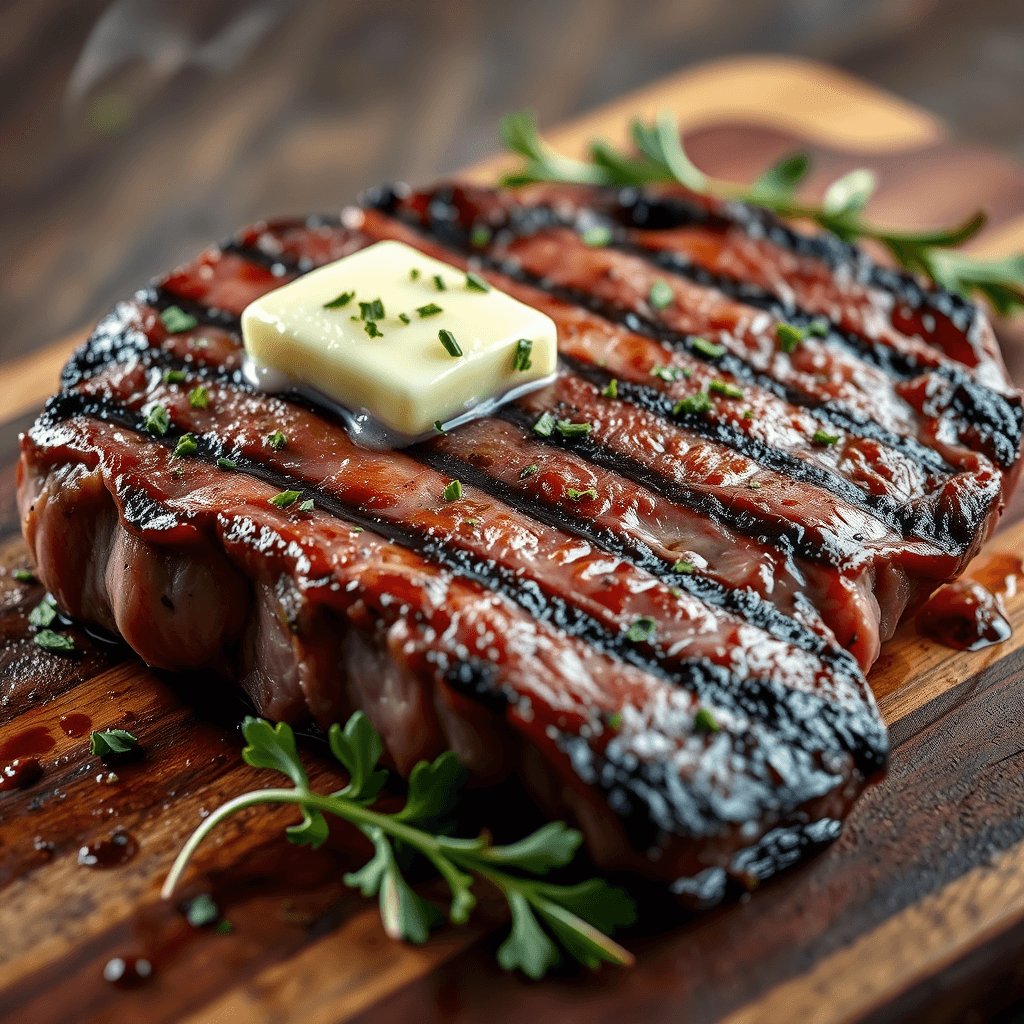
Once the steak reaches the desired internal temperature, remove it from the grill and place it on a plate or resting rack. Tent it loosely with aluminum foil and let it rest for 5-10 minutes. This allows the juices to redistribute throughout the meat. If you cut into it immediately, the juices will run out, leaving you with a dry steak. After resting, slice against the grain if desired, though ribeye is often served whole. Top with a generous dollop of garlic herb butter and let it melt over the surface. Serve immediately with sides like grilled vegetables, baked potato, or a crisp salad.
Pro Tips for Restaurant-Quality Results
Achieving steakhouse perfection at home is all about the details. Here are some expert tips to ensure your ribeye is always juicy and flavorful:
- Dry the Steak Thoroughly: Moisture on the surface inhibits searing. Use paper towels to pat it dry.
- Season Early: Salt the steak at least 40 minutes before grilling, or even overnight in the fridge. This dry-brines the steak, enhancing flavor and texture.
- Don’t Press the Steak: Pressing down with a spatula squeezes out juices. Let the grill do the work.
- Use a Thermometer: Never guess doneness. An instant-read thermometer is your best friend for consistent results.
- Let the Grill Do Its Job: Avoid constant flipping. Flip once, at the right time, for a proper sear.
- Rest Properly: Don’t skip the resting period. It’s essential for juicy steak.
- High Heat for Searing: Ensure your grill is hot enough before placing the steak. A sizzle on contact is a good sign.
- Choose Quality Beef: Start with a well-marbled ribeye from a trusted source. Quality beef makes a noticeable difference.
Troubleshooting Common Mistakes
Even experienced grillers can run into issues. Here’s how to fix them:
- Steak Sticking to the Grill: Ensure grates are clean and oiled. Also, make sure the steak is dry and the grill is hot enough.
- Uneven Cooking: Use a two-zone fire or move steak to indirect heat after searing. For thick cuts, this allows gentle cooking without burning the exterior.
- No Grill Marks: Place the steak at a 45-degree angle to the grates, and rotate 90 degrees halfway. Also, avoid moving it too soon.
- Overcooked Steak: Pull it off early due to carryover cooking. Trust the thermometer, not time estimates.
- Butter Burning: Add the garlic herb butter after removing from the grill, or baste in the last minute if using a pan. Butter can burn on high heat, so apply it at the end.
Frequently Asked Questions
Can I grill ribeye on a gas grill?
Absolutely! Gas grills are perfect for ribeye. Preheat to high heat and follow the same searing and cooking process. You may not get as much smoky flavor as charcoal, but you can add wood chips in a smoker box.
What if I don’t have an instant-read thermometer?
While a thermometer is best, you can use the finger test to gauge doneness. Press the steak; rare feels very soft, medium-rare has a slight spring, medium is firm, and well-done is very firm. But this takes practice, so a thermometer is recommended.
How long should I rest the steak?
Rest for at least 5 minutes for a 1.5-inch steak, up to 10 minutes for thicker cuts. Tent with foil to keep warm but avoid wrapping tightly, which can steam the surface.
Can I make the garlic herb butter ahead of time?
Yes, compound butter can be made up to a week in advance and refrigerated. Bring it to room temperature before serving so it spreads easily over the hot steak.
Conclusion: Enjoy Your Culinary Masterpiece
Grilling a ribeye steak at home with garlic herb butter is a rewarding endeavor that brings the steakhouse experience to your patio. By following these steps—from proper preparation and seasoning to mastering the grill heat and resting the meat—you can consistently produce a juicy, flavorful steak that rivals any restaurant. The garlic herb butter adds a luxurious finish that enhances the beef’s natural richness. So, fire up your grill, gather your ingredients, and get ready to impress. With practice and attention to detail, you’ll be serving up restaurant-quality ribeye that delights every time. Happy grilling!