Slow Cooker Mongolian Beef Recipe – Tender, Juicy, and Set-and-Forget
Why Slow Cooker Mongolian Beef is a Game-Changer for Home Cooking
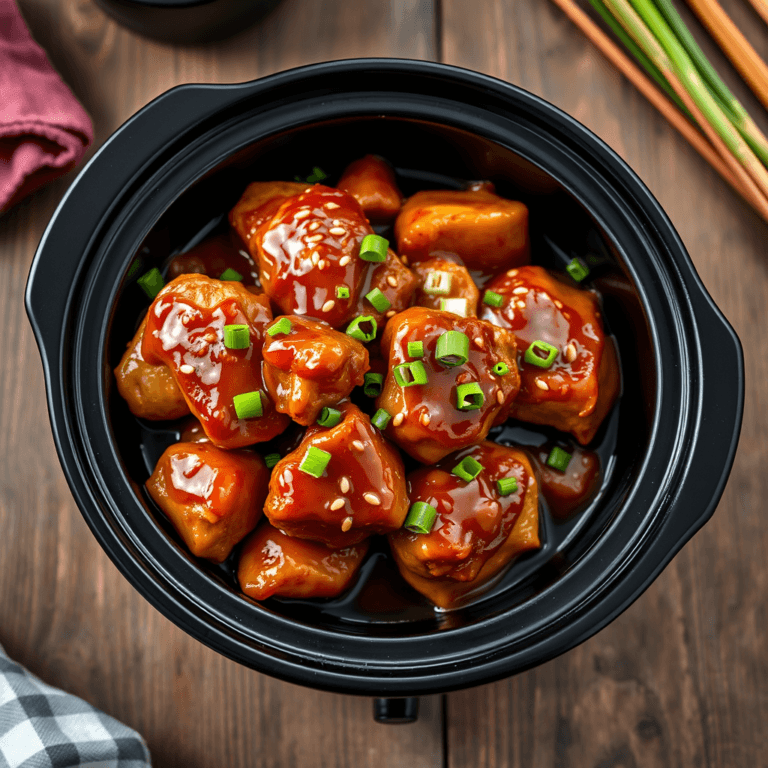
Mongolian beef is a beloved Chinese-American dish known for its tender beef strips and a sauce that perfectly balances sweet, savory, and spicy notes. Traditionally cooked quickly in a wok, this recipe adapts the method to a slow cooker, elevating tenderness and convenience to new heights. The low-and-slow process allows the beef to absorb the sauce deeply, becoming melt-in-your-mouth tender while the sauce thickens into a glossy glaze. Imagine coming home to a meal that smells incredible and requires almost no active time—this is the promise of slow cooker Mongolian beef. It’s ideal for families, meal preppers, or anyone craving comfort food without the hassle. With simple ingredients and set-and-forget ease, you’ll wonder why you didn’t try it sooner.
The Origins and Appeal of Mongolian Beef
Despite its name, Mongolian beef doesn’t hail from Mongolia. It was created in the United States during the mid-20th century by Chinese chefs adapting stir-fry techniques for American tastes. The dish typically features thin slices of beef, like flank steak, cooked in a sauce of soy sauce, brown sugar, garlic, ginger, and sometimes chili. This combination creates a flavor profile that’s simultaneously sweet, salty, and umami-rich, with a hint of heat. When prepared in a slow cooker, the beef’s collagen breaks down slowly, yielding a texture even more succulent than stir-frying. The sauce clings to every piece, making each bite a burst of flavor. This adaptation honors the original while embracing the benefits of modern kitchen appliances.
Why the Slow Cooker Method Beats Traditional Cooking
Using a slow cooker for Mongolian beef offers distinct advantages. First, it’s incredibly energy-efficient and keeps your kitchen cool, a blessing during summer months. Second, the gentle, prolonged heat ensures the beef cooks evenly without drying out—a common risk with high-heat stir-frying. Third, it provides flexibility: you can start it in the morning and have dinner ready hours later without any monitoring. Fourth, slow cookers excel at making large batches, so you can feed a crowd or stock your freezer for quick future meals. Finally, the slow cooking process allows flavors to meld more deeply, resulting in a richer, more complex sauce. It’s a hands-off approach that delivers consistent, impressive results every time.
Essential Ingredients for Authentic Flavor
Quality ingredients are key to this dish’s success. Here’s what you’ll need, with notes on substitutions:
- Beef: 2 pounds flank steak, sliced 1/4 inch thick against the grain. Flank steak is lean and becomes tender when slow-cooked. Sirloin or skirt steak can substitute if needed. Avoid stew meat, which is too fatty.
- Soy sauce: 1/2 cup low-sodium soy sauce. This provides saltiness and umami. For a deeper flavor, use a combination of soy sauce and a splash of dark soy sauce.
- Brown sugar: 1/4 cup packed brown sugar. This adds sweetness and helps caramelize the sauce. Adjust to taste; reduce for less sweetness or increase for a sweeter glaze.
- Hoisin sauce: 1/4 cup. This fermented sauce adds tang and complexity. If unavailable, substitute with equal parts oyster sauce and a teaspoon of honey.
- Fresh ginger: 2 tablespoons grated. Ginger gives a warm, peppery note. Use peeled fresh ginger for best flavor; ground ginger can substitute in a pinch but lacks brightness.
- Garlic: 4 cloves, minced. Garlic is essential for aromatic depth. Jarred minced garlic works, but fresh is superior.
- Beef broth or water: 1/4 cup. Broth adds richness, but water is fine if you’re watching sodium.
- Cornstarch: 2 tablespoons. This thickens the sauce to a glossy consistency. Arrowroot powder can be used as a gluten-free alternative.
- Cold water: 2 tablespoons for the cornstarch slurry.
- Vegetable oil: 2 tablespoons for searing. A neutral oil works best.
- Green onions: 4, thinly sliced. Added at the end for fresh, crisp contrast.
- Red bell pepper: 1, sliced (optional). Adds color and sweetness. Add in the last hour to retain texture.
- Garnish: Toasted sesame seeds for a nutty finish.
Step-by-Step Guide to Perfect Mongolian Beef
Step 1: Prepare the Beef
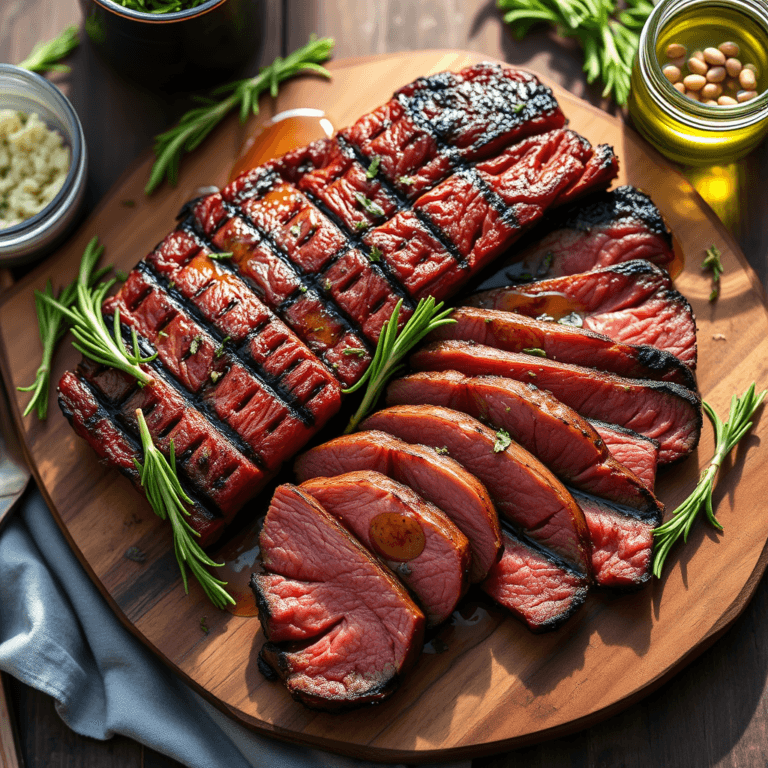
Start by slicing the flank steak into thin strips. For easiest handling, place the steak in the freezer for 20-30 minutes until firm but not frozen. Use a sharp knife to cut against the grain—look for the lines of muscle fiber and slice perpendicular to them. This shortens the fibers, ensuring tenderness. Pat the strips dry with paper towels; this removes excess moisture, promoting better browning if you sear.
Step 2: Sear for Enhanced Flavor (Optional but Recommended)
Heat the vegetable oil in a large skillet over high heat until shimmering. Add the beef strips in a single layer without crowding; cook in batches if necessary. Sear for 1-2 minutes per side until browned and caramelized. This step creates a Maillard reaction, adding rich, complex flavors and a darker color to the final sauce. Transfer the seared beef to your slow cooker. If you skip searing, the dish will still be tasty, but searing elevates the overall depth.
Step 3: Whisk the Sauce
In a medium bowl, combine the soy sauce, brown sugar, hoisin sauce, grated ginger, minced garlic, and beef broth. Whisk vigorously until the sugar dissolves completely and the mixture is smooth. Taste the sauce at this stage; adjust by adding more ginger for spice, more brown sugar for sweetness, or a dash of chili garlic sauce for heat. This sauce is the soul of the dish, so tailor it to your preference.
Step 4: Combine and Cook
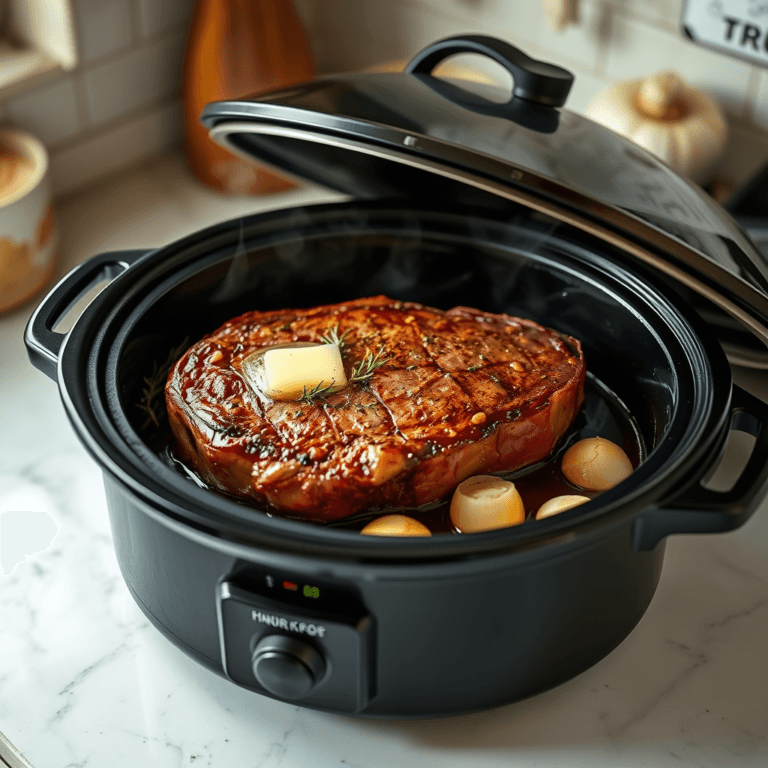
Pour the sauce over the beef in the slow cooker. If using bell peppers, add them now. Stir gently to coat every piece. Cover the slow cooker and set it to low for 4-6 hours or high for 2-3 hours. Low heat is highly recommended for maximum tenderness, as it gives collagen time to transform into gelatin. Avoid opening the lid during cooking to retain heat and moisture.
Step 5: Thicken the Sauce
About 30 minutes before serving, mix the cornstarch and cold water in a small bowl until a smooth slurry forms. Stir this into the slow cooker. The sauce will begin to thicken as it heats. If you desire a thicker glaze, cook on high for the final 30 minutes to reduce it further. Ensure the slurry is well-mixed to prevent lumps.
Step 6: Finish and Serve
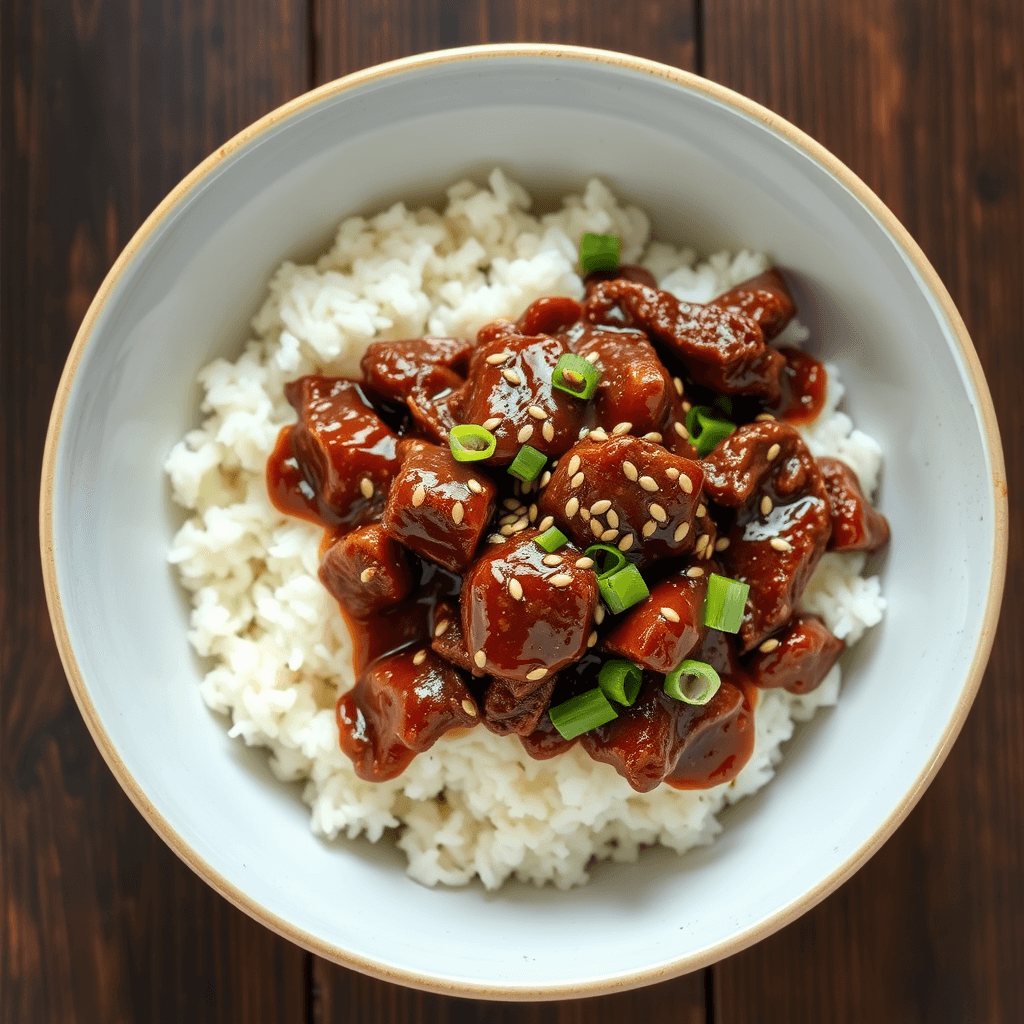
Just before serving, stir in the sliced green onions. They add a fresh, crisp element that balances the rich sauce. Serve the Mongolian beef hot over steamed white or brown rice, quinoa, or noodles. Garnish with toasted sesame seeds. This dish pairs wonderfully with steamed broccoli, a simple cucumber salad, or egg rolls for a complete meal.
Pro Tips for Flawless Results Every Time
- Beef Choice Matters: Flank steak is the gold standard for its lean tenderness. If using sirloin, ensure it’s not too fatty. Always slice against the grain for optimal texture.
- Don’t Skip the Sear: While optional, searing adds a layer of flavor that slow cooking alone can’t achieve. It’s worth the extra 10 minutes for a restaurant-quality finish.
- Customize the Heat: For spice, incorporate 1-2 teaspoons of chili garlic sauce, sriracha, or red pepper flakes into the sauce. Adjust to your heat tolerance.
- Reduce Sugar Gradually: If health-conscious, start by cutting the brown sugar by half. You can also use natural sweeteners like honey or maple syrup, but note they may alter the flavor slightly.
- Vegetable Timing: Add hearty veggies like carrots at the beginning. For tender vegetables like broccoli, snap peas, or bell peppers, add them in the last hour to avoid mushiness.
- Slow Cooker Size: A 6-quart slow cooker is ideal for this recipe. If yours is smaller, halve the ingredients to prevent overflow. A larger cooker may require slightly less cooking time.
- Low-Sodium Options: Use reduced-sodium soy sauce and low-sodium beef broth. Boost flavor with extra garlic, ginger, or a splash of rice vinegar.
- Meal Prep Mastery: This dish tastes even better the next day as flavors meld. Store in airtight containers in the refrigerator for up to 4 days or freeze for up to 3 months. Reheat gently on the stove or in the microwave with a splash of water.
- Serving Variations: Beyond rice, serve over cauliflower rice for low-carb, in lettuce wraps for a fresh twist, or as a filling for tacos. It also makes a great appetizer with toothpicks.
- Troubleshooting Tough Beef: If the beef is chewy, it likely wasn’t cooked long enough or the cut was incorrect. Ensure cooking on low for at least 4 hours. If the sauce is too thin, cook uncovered on high for 30 minutes to reduce.
Delicious Variations to Try
Once you master the basic recipe, experiment with these twists:
- Spicy Mongolian Beef: Add 1 tablespoon of gochujang or increase chili garlic sauce to 1 tablespoon. Top with extra red pepper flakes.
- Honey-Sesame Version: Replace half the brown sugar with honey and stir in 1 tablespoon of toasted sesame oil at the end. Garnish generously with sesame seeds.
- Low-Carb/Keto: Omit the brown sugar or use a keto-friendly sweetener. Serve over zucchini noodles or cauliflower rice. Ensure hoisin sauce is low-carb or make a DIY version with soy sauce and spices.
- Vegetarian Twist: Substitute beef with firm tofu or tempeh. Press the tofu to remove moisture, then sear before adding to the slow cooker. Use vegetable broth instead of beef broth.
- Pineapple Addition: For a tropical flair, add 1 cup of drained pineapple chunks in the last hour. The sweetness complements the sauce beautifully.
Serving Suggestions and Pairings
This Mongolian beef is versatile. Serve it as a main dish over jasmine or brown rice, which soaks up the delicious sauce. For a complete meal, pair with quickly sautéed bok choy, a crisp Asian slaw, or steamed dumplings. Beverage pairings include light beers like pilsner, off-dry Riesling, or jasmine tea to cut through the richness. For gatherings, consider setting up a DIY bowl bar with rice, beef, and toppings like chopped peanuts, extra green onions, and lime wedges. Leftovers reheat well and can be used in fried rice or as a protein for salads.
Nutritional Overview and Health Tweaks
A standard serving (about 1 cup with rice) contains roughly 400-500 calories, 30-40 grams of protein, and moderate carbs from the sauce and rice. To lighten it up, use lean beef, reduce the brown sugar, and add more vegetables like broccoli or carrots. Swap white rice for brown rice or quinoa for extra fiber. The dish can be made low-sodium by choosing low-sodium soy sauce and broth. Despite its indulgent taste, it’s a balanced meal when paired with vegetables. For exact nutrition, calculate based on your specific ingredients and portions.
The Science of Slow Cooking Beef
Understanding why slow cooking works wonders for tough cuts like flank steak can enhance your appreciation. The process uses temperatures around 190-200°F over hours, which slowly converts collagen—the connective tissue in meat—into gelatin. This gelatin retains moisture, making the beef succulent and easy to chew. Additionally, the sealed environment traps steam and flavors, allowing the sauce to penetrate deep into the meat fibers. Unlike quick stir-frying, which can leave beef chewy if overcooked, slow cooking provides a buffer, ensuring perfect tenderness even with lean cuts. This scientific principle is why dishes like Mongolian beef thrive in a slow cooker.
Frequently Asked Questions
Can I use a different cut of beef?
Yes, flank steak is preferred for its texture and flavor, but sirloin or skirt steak work well too. Just slice thin against the grain. Avoid chuck roast, as it’s too fatty and may become greasy.
Is searing necessary?
Searing is optional but highly recommended. It adds a depth of flavor through caramelization. If short on time, you can skip it, but the dish will be slightly less complex.
How can I make the sauce thicker or thinner?
For thicker sauce, increase cornstarch to 3 tablespoons or cook on high uncovered for the last 30 minutes. For thinner sauce, reduce cornstarch or add a bit more broth. Adjust based on your preference.
Can I make this ahead of time?
Absolutely. The flavor improves overnight. Store in the fridge for up to 4 days or freeze for up to 3 months. Reheat gently on the stove or in the microwave, adding a splash of water if needed.
What if I don’t have hoisin sauce?
Substitute with 2 tablespoons of oyster sauce plus 1 teaspoon of honey or brown sugar. It won’t be identical but will still be delicious.
Can I cook this on the stovetop instead?
Yes, but it’s not the same. You can simmer the beef and sauce in a covered pot on low heat for 2-3 hours, stirring occasionally, but the slow cooker’s consistent low heat is more foolproof for tenderness.
Conclusion: Embrace Effortless Gourmet at Home
Slow Cooker Mongolian Beef exemplifies how a few simple ingredients, combined with the magic of slow cooking, can yield a dish that’s both elegant and comforting. The tender beef, glossy sauce, and minimal prep make it a winner for any day of the week. Whether you’re feeding a hungry family or prepping meals for the week, this recipe delivers reliability and flavor without stress. So, dust off your slow cooker, gather these ingredients, and experience the joy of coming home to a meal that tastes like it took hours of effort—but really didn’t. It’s time to rethink weeknight dinners, one tender bite at a time.
More Slow Cooker Favorites to Explore
If you loved this recipe, try other set-and-forget dishes like Slow Cooker Korean Beef Bulgogi, Honey Garlic Chicken, or Hearty Vegetable Beef Soup. Each offers the same convenience and big flavor, making your slow cooker an indispensable kitchen ally. Happy cooking!